Unfolding the Artistry: Exploring the World of Paper Engineering Through Precision and Creativity
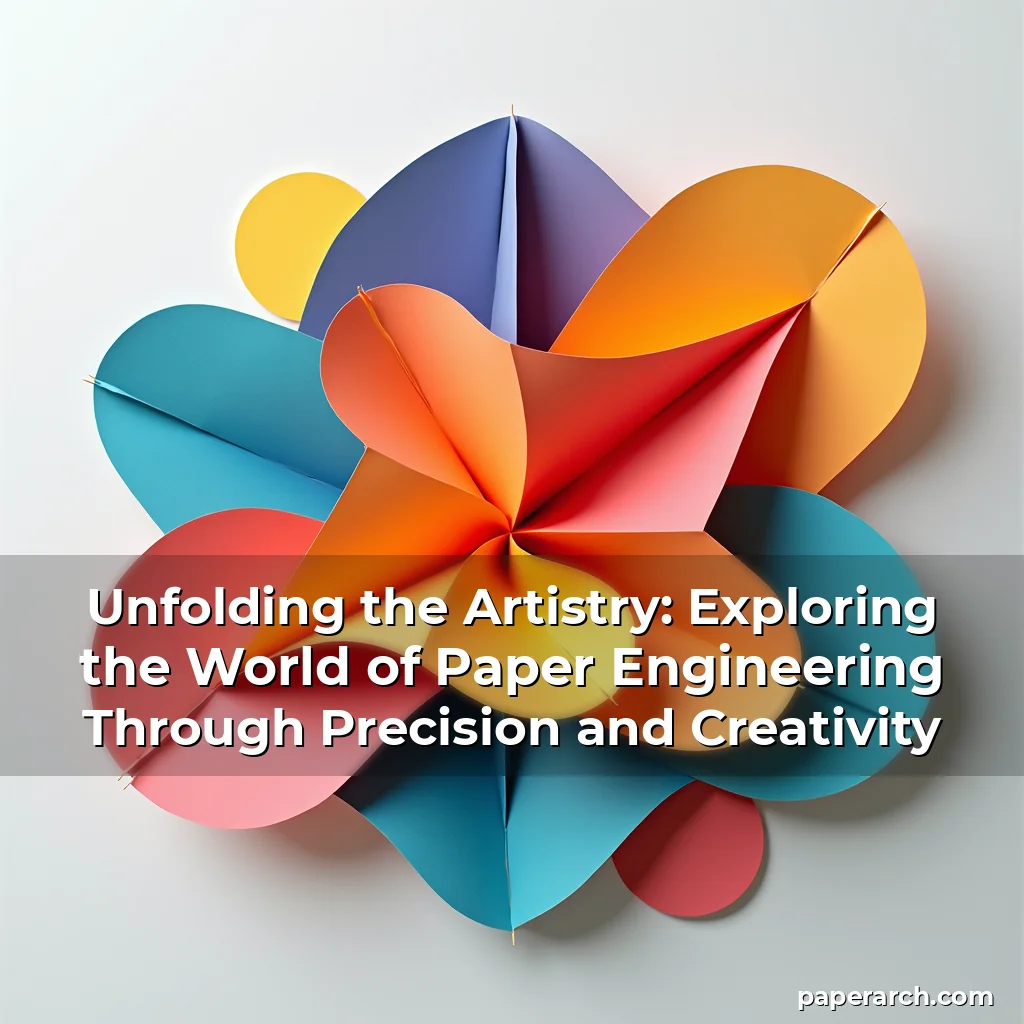
Paper engineering represents a fascinating intersection of craftsmanship and technology, transforming simple sheets of paper into intricate three-dimensional creations. This specialized field blends artistic vision with scientific principles to produce everything from stunning origami sculptures to complex mechanical book structures.
The practice has evolved dramatically over centuries, yet remains rooted in foundational skills that continue to inspire innovators worldwide. Modern practitioners combine traditional handcrafting techniques with digital fabrication tools to push the boundaries of what paper can achieve.
The Historical Evolution of Paper Engineering
Origins of paper engineering trace back to ancient civilizations that discovered the transformative potential of pulp-based materials. Early Chinese artisans developed sophisticated folding techniques nearly 2000 years ago, laying the groundwork for later innovations in movable type printing.
During the Middle Ages, European monks refined paper-making processes while creating illuminated manuscripts featuring intricate paper foldings. These early experiments demonstrated how paper could serve dual purposes as both medium and mechanism.
- Chinese Contributions: The Tang Dynasty saw the creation of layered paper constructs used for religious ceremonies, showcasing precise folding patterns that prefigured modern pop-up mechanisms.
- Renaissance Innovations: Leonardo da Vinci sketched conceptual designs for kinetic paper devices, blending anatomical studies with mechanical paper constructs that foreshadowed modern engineering principles.
Fundamental Techniques in Contemporary Paper Engineering
Modern practitioners utilize a diverse toolkit combining traditional handcrafting methods with digital fabrication technologies. Folding techniques form the core foundation, requiring meticulous attention to geometric precision and structural integrity.
Cutting processes have evolved beyond basic scissors work to include laser engraving and CNC routing systems capable of achieving micrometer-level accuracy. Material preparation involves selecting appropriate paper stocks based on thickness, fiber composition, and desired final characteristics.
Mechanical Construction Methods
Innovative construction techniques enable the creation of dynamic paper objects that respond to external stimuli. Kinetic joints allow movement through cleverly designed hinges, while tension-based mechanisms create responsive structures that change shape when manipulated.
Recent advances in material science have led to the development of specialty papers infused with conductive properties, enabling integration of electronics into paper-based mechanisms. These hybrid systems open new possibilities for interactive installations and smart packaging solutions.
Applications Across Multiple Industries
Paper engineering finds practical applications in numerous sectors, demonstrating its adaptability as both an art form and functional solution. Book publishing utilizes engineered paper structures to create immersive reading experiences through dimensional layouts and animated sequences.
The packaging industry benefits greatly from paper engineering, developing sustainable alternatives to plastic containers through collapsible cartons and reconfigurable displays that reduce shipping volumes while maintaining visual appeal.
Educational Applications
Interactive learning tools demonstrate the pedagogical value of paper engineering in educational settings. Three-dimensional teaching aids help visualize complex subjects ranging from anatomy to astronomy through tactile engagement.
Studies show that students exposed to hands-on paper engineering activities develop stronger spatial reasoning abilities compared to those relying solely on digital interfaces. Educational institutions increasingly incorporate paper engineering into STEM curricula to enhance experiential learning.
Challenges Facing Modern Paper Engineers
Despite its creative potential, paper engineering presents several technical challenges that require innovative problem-solving approaches. Balancing aesthetic considerations with structural stability demands careful material selection and geometric calculations.
Sustainability concerns drive ongoing research into biodegradable adhesives and recycled paper treatments that maintain strength while reducing environmental impact. Advancements in nanotechnology offer promising avenues for improving durability without compromising ecological responsibility.
Technological Limitations
While digital fabrication tools expand capabilities, they also introduce constraints related to minimum feature sizes and material compatibility. Traditional hand-crafting techniques often provide superior flexibility for complex organic shapes that challenge automated systems.
Bridging the gap between digital precision and artisanal nuance requires hybrid workflows integrating computer-aided design with manual finishing touches. Skilled artisans frequently modify machine-
“`