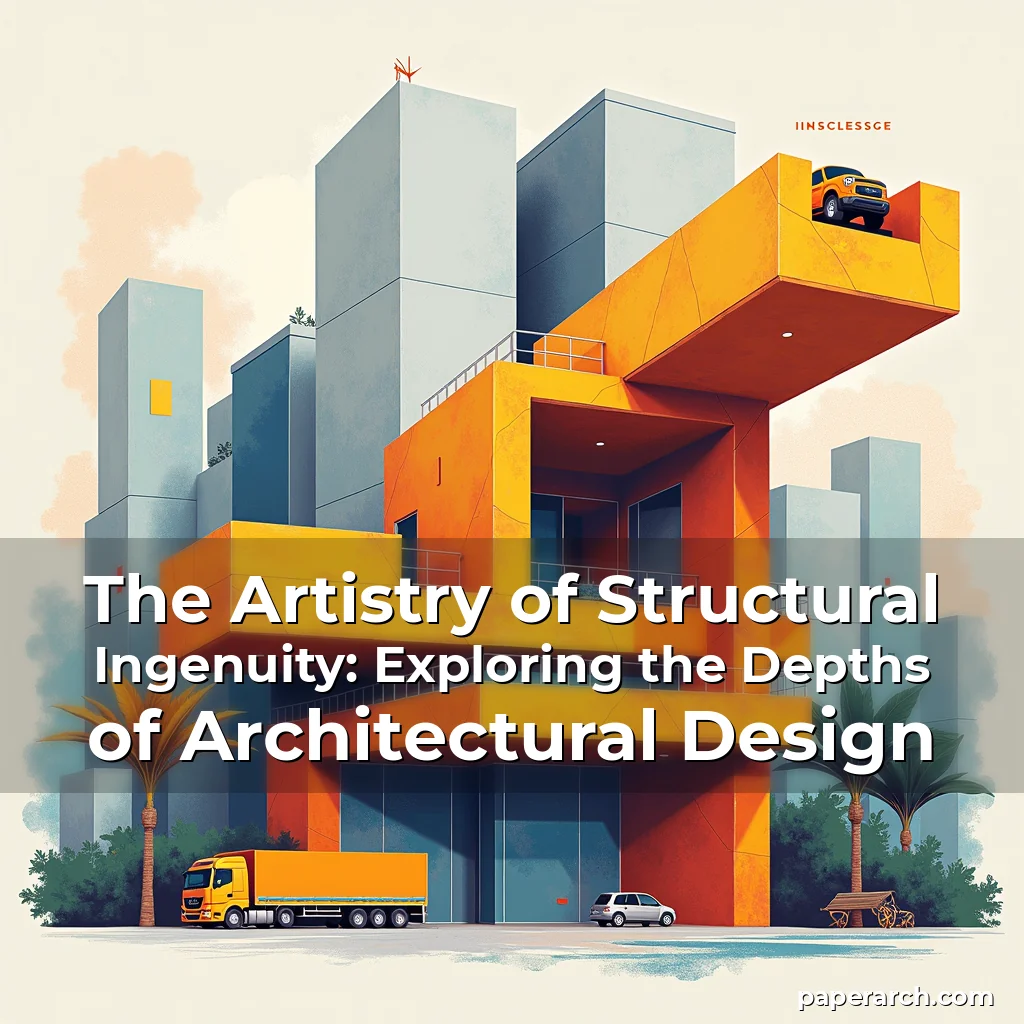
The Artistry of Structural Ingenuity: Exploring the Depths of Architectural Design
Architectural design stands at the intersection of creativity and engineering, blending aesthetic vision with functional necessity to shape our built environments. From towering skyscrapers to intimate residential homes, every structure tells a story through its form, materials, and purpose.
This exploration delves into the multifaceted world of architectural design, examining its evolution, core principles, technological integrations, and enduring influence on society. Whether you’re an architect, student, or enthusiast, this guide offers insight into the complex interplay between innovation and tradition.
The Evolutionary Tapestry of Architectural Design
The history of architectural design is a chronicle of human ingenuity, reflecting cultural shifts, technological breakthroughs, and environmental adaptations over millennia. Ancient civilizations laid foundational styles that continue to inspire modern architects worldwide.
Egyptian pyramids exemplify early mastery of monumental scale and geometric precision, while Greek temples introduced columnar orders that defined classical symmetry. Roman arches revolutionized structural capabilities, enabling vast interior spaces unprecedented before the era.
- Doric, Ionic, Corinthian: The three primary classical orders established proportional relationships still used in neoclassical architecture today.
- Vitruvius’ Principles: His treatise “De Architectura” codified ideals of firmitas, utilitas, venustas – strength, utility, beauty – forming a triad that guides architectural thought.
Mechanics of Modern Design Methodologies
Contemporary architectural practice employs systematic frameworks to translate abstract ideas into physical reality. This process begins with conceptualization but demands rigorous technical validation at every stage.
Architects utilize site analysis to understand contextual factors influencing design decisions. Topography, sunlight patterns, wind directions, and local zoning laws all play critical roles in determining spatial arrangements.
Conceptual sketches evolve through iterative refinement, incorporating feedback from stakeholders and engineers. Digital modeling now allows virtual walkthroughs before groundbreaking occurs.
BIM (Building Information Modeling) has transformed traditional drafting methods, creating intelligent 3D models that integrate structural, mechanical, and electrical components seamlessly.
Fundamental Pillars of Architectural Philosophy
At its core, architectural design balances opposing forces – permanence versus flexibility, individuality against collective needs, artistic expression constrained by practical limitations. Understanding these tensions defines great architecture.
Functionality remains paramount; spaces must serve intended purposes efficiently while remaining adaptable to changing uses over time. A well-designed library, for instance, accommodates evolving educational needs through flexible layouts and multi-functional zones.
Aesthetic considerations extend beyond visual appeal to encompass sensory experiences – texture of surfaces, acoustics, lighting quality, and spatial flow all contribute to emotional resonance.
Cultural context profoundly shapes design approaches. Vernacular architecture preserves regional identities through locally sourced materials and climatic adaptations, often embodying centuries-old wisdom in simple forms.
Sustainable Practices Redefining Spatial Narratives
In response to climate crises, architects increasingly prioritize ecological responsibility without compromising design excellence. Green building initiatives have become standard rather than niche pursuits.
Passive solar design optimizes natural light and thermal regulation through strategic orientation, insulation, and shading devices. Buildings achieve comfort without excessive energy consumption through thoughtful placement relative to sun paths.
Material selection plays pivotal roles in reducing environmental footprints. Cross-laminated timber (CLT) offers renewable alternatives to concrete while providing comparable structural performance.
Water-sensitive urban design integrates rainwater harvesting, permeable pavements, and constructed wetlands to manage stormwater sustainably, mitigating flood risks and replenishing groundwater supplies.
- LEED Certification: Leadership in Energy and Environmental Design benchmarks measure building efficiency across categories like energy use, indoor air quality, and sustainable sites.
- Net Zero Buildings: Structures producing as much energy as they consume through renewable sources represent the pinnacle of sustainable achievement.
Technological Innovations Shaping Future Landscapes
Advancements in digital fabrication and computational design are expanding architectural frontiers previously unimaginable. Parametric modeling enables organic forms once restricted by conventional construction limits.
Smart building technologies embed sensors that monitor occupancy levels, adjust HVAC settings automatically, and optimize lighting based on natural illumination. These systems enhance comfort while minimizing operational costs.
Augmented reality tools allow clients to visualize proposed designs in real-world contexts before construction commences, improving decision-making and reducing costly revisions later.
3D printing emerges as revolutionary technique capable of constructing entire buildings rapidly using automated machinery, significantly lowering labor expenses and material waste during production phases.
Artificial intelligence assists in generative design processes, analyzing thousands of variables simultaneously to propose optimal solutions meeting specified criteria efficiently.
Cultural Significance Embedded in Built Forms
Architecture serves as tangible expressions of collective identity, encoding social values, religious beliefs, and political ideologies within its fabric. Iconic landmarks transcend mere function to become symbols of nations.
Religious edifices often feature distinct stylistic markers – Gothic cathedrals with pointed arches symbolize spiritual aspiration, while Islamic mosques incorporate intricate geometric patterns representing divine order.
Public memorials construct narratives around historical events through symbolic forms and spatial sequencing. The Vietnam Veterans Memorial in Washington D.C. uses reflective black granite to evoke introspection and remembrance.
Urban landscapes reveal socioeconomic dynamics – contrasting high-rise commercial districts with informal settlements highlights disparities in access to resources and opportunities.
Navigating Challenges in Contemporary Practice
Modern architects face mounting pressures to balance creative ambitions with economic realities, regulatory constraints, and environmental imperatives. Successfully negotiating these complexities defines professional success.
Rising construction costs necessitate innovative cost-saving measures without sacrificing quality. Prefabrication techniques reduce on-site labor expenditures while maintaining design integrity.
Regulatory compliance becomes increasingly stringent as cities implement stricter safety codes and sustainability mandates. Adapting designs to meet these requirements demands thorough research and stakeholder coordination.
Climate change introduces new design parameters – elevated sea levels require coastal buildings to incorporate flood-resistant features, while extreme weather events demand reinforced structural systems.
Demographic shifts challenge traditional housing models. Aging populations necessitate accessible living environments, while increasing urbanization calls for efficient vertical solutions accommodating dense populations.
Towards an Inclusive Future in Architectural Discourse
Design equity has gained prominence as architects recognize the need to address systemic inequalities embedded within built environments. Universal design principles aim to create spaces usable by everyone regardless of ability.
Participatory design methodologies engage communities in co-creating spaces that genuinely reflect their needs and aspirations. This approach fosters ownership and increases likelihood of long-term success.
Gender-responsive architecture considers physiological differences affecting space usage – wider doorways accommodate mobility aids, while ergonomically designed workstations enhance productivity for all users.
Culturally responsive design respects indigenous knowledge systems when developing projects in traditionally inhabited lands, avoiding appropriation while honoring ancestral practices.
Conclusion
Architectural design embodies humanity’s quest to harmonize existence with the environment through deliberate spatial interventions. It continues to evolve as societies redefine priorities amidst shifting circumstances.
Whether designing resilient infrastructures for climate resilience or crafting inclusive public realms, architects hold immense power to shape not just physical spaces but also the lived experiences within them. Embracing continual learning remains vital for navigating this dynamic field successfully.
“`html

“`