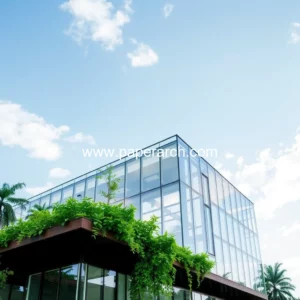

The sector is expected to account for 50% of global emissions by 2050.
The Challenge of Decarbonizing the Building Sector
The building sector is one of the largest contributors to greenhouse gas emissions, accounting for approximately 40% of global emissions. The sector’s carbon footprint is largely due to the energy consumption of buildings, which is driven by factors such as heating, cooling, and lighting. The sector’s emissions are also influenced by the extraction, processing, and transportation of building materials, as well as the production and disposal of waste.
This approach is driven by the government’s commitment to reducing greenhouse gas emissions and promoting sustainable development.
The Rise of Circular Economy in Sustainable Construction
In recent years, Costa Rica has been at the forefront of sustainable construction, with a focus on reducing its environmental footprint. One of the key drivers of this trend is the adoption of the circular economy approach. This concept, which aims to reduce waste and promote the reuse of materials, is gaining traction in the sector.
Benefits of Circular Economy in Sustainable Construction
One such project is the “Eco-Home” in San José, which uses solar panels, rainwater harvesting, and natural ventilation to reduce energy consumption by 70%.
The Rise of Environmental Regeneration
The concept of environmental regeneration has gained significant attention in recent years, as the world grapples with the challenges of climate change and sustainability.
These innovations are transforming the way buildings are designed, constructed, and managed.
Adaptive Design
Adaptive design is a key innovation in the construction sector. It involves designing buildings that can adapt to changing environmental conditions, such as temperature, humidity, and light. This can be achieved through the use of advanced materials and technologies, such as phase-change materials, that can absorb and release heat, and smart glass that can change its tint and transparency in response to changing light conditions. Benefits of adaptive design include:
Smart Sensors
Smart sensors are another innovation that is transforming the construction sector. These sensors can monitor and respond to various environmental conditions, such as temperature, humidity, and air quality. They can also detect potential issues, such as leaks or structural damage, and alert building owners and managers to take action. Benefits of smart sensors include:
Modular Architecture
Modular architecture is a design approach that involves building structures in modules, rather than traditional stick-built construction. This approach can reduce construction time, improve quality, and increase flexibility. Modular buildings can be easily assembled and disassembled, making them ideal for temporary or seasonal use.
Lack of standardization, making it hard to compare and evaluate different sustainable construction methods. Lack of skilled labor, as many construction workers lack the necessary training and knowledge to work with sustainable materials and technologies.
The Challenges of Sustainable Construction
Sustainable construction is a rapidly growing field, but it still faces numerous challenges.
Encouraging policy changes that support sustainable development.
The Sustainable Construction Sector in Costa Rica: A Path Towards a Greener Future
The Challenge of Sustainability
Costa Rica, known for its lush rainforests and commitment to environmental conservation, is at the forefront of sustainable construction. However, the sector still grapples with the challenge of balancing economic development with environmental sustainability. The country’s rapid growth and urbanization have led to increased demand for housing, infrastructure, and commercial spaces, putting pressure on natural resources and the environment.
Education and Awareness
Raising awareness about the benefits of green construction is a crucial step towards a more sustainable future. The Costa Rican government has implemented various initiatives to educate the public about the importance of sustainable building practices. These initiatives include:
Economic Incentives
Economic incentives play a significant role in encouraging companies and consumers to adopt sustainable construction practices.

news is a contributor at PaperArch. We are committed to providing well-researched, accurate, and valuable content to our readers.