
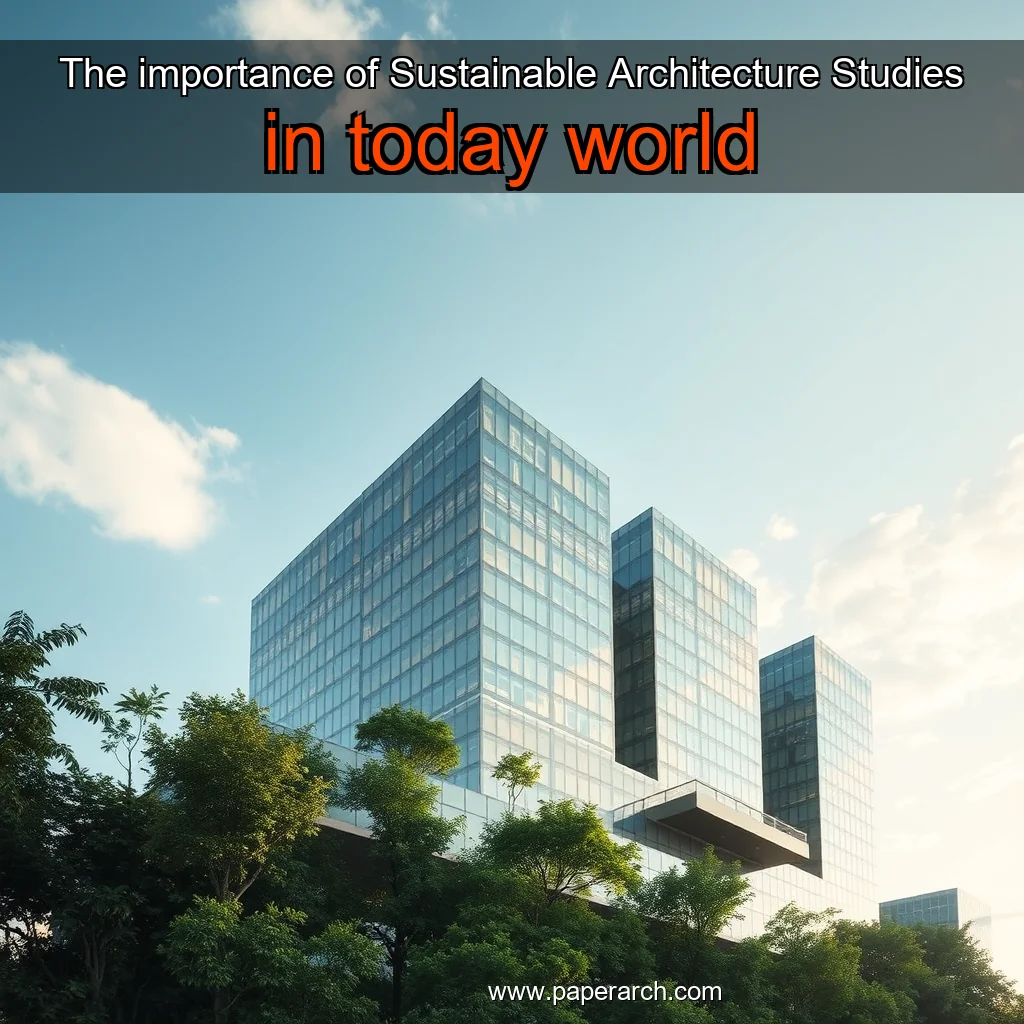
Here are some key takeaways from the report:
Sustainable Design Principles
The 2023 Global Status Report emphasizes the importance of sustainable design principles in the buildings and construction sector. These principles aim to minimize the environmental impact of buildings and construction projects. Some key sustainable design principles include:
Building Materials and Technologies
The report highlights the importance of using sustainable building materials and technologies. Some examples include:
Biodiversity and Ecosystem Services
The report emphasizes the importance of biodiversity and ecosystem services in the buildings and construction sector. Some key findings include:
Embracing Harmony with Nature through Regenerative Architecture.
The Importance of Regenerative Architecture
Regenerative architecture is an approach that prioritizes the well-being of the environment and the communities that inhabit it. By designing structures that work in harmony with nature, architects can create buildings that not only minimize their impact on the environment but also actively restore and enhance ecosystems. This approach is essential in today’s world, where climate change, urbanization, and environmental degradation are pressing concerns.
Key Principles of Regenerative Architecture
The Role of Sustainable Architecture Studies
Sustainable Architecture Studies is a program that equips students with the essential skills to drive change and create a more sustainable future. By studying regenerative architecture, students can gain a deeper understanding of the principles and practices that underpin this approach.
Balancing preservation and innovation in retrofitting existing buildings.
The Challenge of Retrofitting Existing Buildings
Retrofitting existing buildings to meet sustainability standards is a complex and costly process. The main challenge is the need to balance the preservation of the original building with the need to incorporate modern sustainable technologies and materials. This requires a deep understanding of the building’s history, structure, and original intent. The building’s original design and materials must be taken into account when selecting new sustainable technologies and materials. The building’s energy efficiency and carbon footprint must be assessed to determine the most effective solutions. The building’s occupants and users must be involved in the design and decision-making process to ensure that the retrofit meets their needs and expectations.
The Benefits of Retrofitting Existing Buildings
Retrofitting existing buildings can have numerous benefits, including:
Case Study: The Retrofit of the Sydney Opera House
The Sydney Opera House is a prime example of a successful retrofit project. The building’s energy efficiency and carbon footprint were assessed, and the occupants and users were involved in the design and decision-making process. The Sydney Opera House was retrofitted with a new energy-efficient lighting system, which reduced energy consumption by 30%. The building’s insulation was upgraded, reducing heat loss and energy consumption.
As the world grapples with the challenges of climate change, sustainable architecture is becoming increasingly important.
The Importance of Sustainable Architecture Studies
Sustainable architecture studies are a rapidly growing field that focuses on designing and building structures that minimize environmental impact.
The writer is University Teacher at the School of Architecture and Landscape, University of Sheffield, the U.K.

news is a contributor at PaperArch. We are committed to providing well-researched, accurate, and valuable content to our readers.