The Art of Paper Sculpture: Unfolding Creativity Through Folded Layers
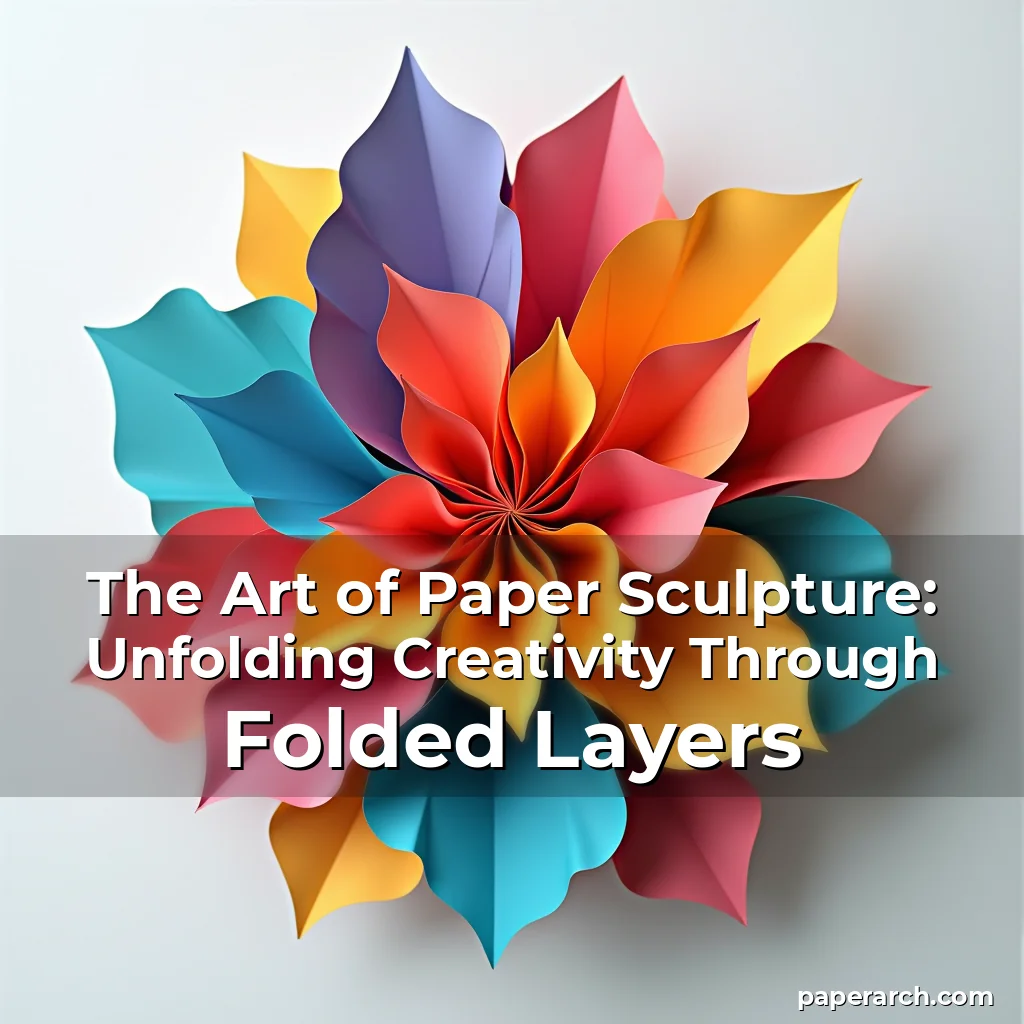
Paper sculpture is an art form that transforms flat sheets of paper into three-dimensional masterpieces through meticulous folding, cutting, and layering techniques. This ancient practice has evolved from traditional origami roots to encompass a wide range of modern artistic expressions, blending functionality with aesthetic appeal.
What sets paper sculpture apart is its ability to convey complex ideas and emotions using only the simplest medium—paper. From intricate architectural models to whimsical animal figures, artists push the boundaries of what can be achieved with folded and cut paper, creating works that challenge perceptions and spark imagination.
The Evolution of Paper Sculpture Through Time
The origins of paper sculpture trace back over two thousand years to early Chinese artisans who developed paper-making techniques around 2nd century BCE. These pioneers laid the foundation for countless innovations that would shape global artistic traditions across centuries.
In Japan, the development of origami during the Edo period (1603–1868) marked a significant turning point. What began as ceremonial folds used in religious rituals gradually transformed into an expressive art form practiced by both commoners and nobility alike.
While Japanese origami focused primarily on folding without cuts, other cultures explored different approaches. In Europe, the Renaissance era saw the emergence of papier-mâché sculptures, which combined paper pulp with adhesive materials to create durable forms that could withstand time and environmental conditions.
- Origami: Originated in Japan, this technique relies solely on folding without any cuts or adhesives, producing intricate designs from single sheets of paper.
- Papier-Mâché: A European innovation involving soaked paper fibers mixed with glue or paste to create moldable shapes capable of long-term preservation.
The Industrial Revolution brought new possibilities for mass production of paper goods, allowing artists greater access to diverse types of paper with varying textures and weights. This accessibility fueled creative experimentation and led to the birth of contemporary paper sculptural movements worldwide.
Modern technology has further expanded the potential of paper sculpture through digital design tools and laser-cutting machines. Artists now combine traditional handcrafting methods with advanced fabrication techniques to achieve unprecedented levels of complexity and precision in their work.
Despite these technological advancements, many practitioners emphasize preserving the tactile qualities inherent in manual creation processes. The physical act of manipulating paper remains central to the experience of making and appreciating paper sculptures.
Materials and Tools Essential for Creating Paper Sculptures
Selecting appropriate materials is crucial when embarking on a paper sculpture project. Different types of paper offer distinct characteristics that influence how they respond to various shaping techniques.
Cardstock provides durability while maintaining flexibility, making it ideal for structural elements within larger compositions. However, its rigidity may limit fine detailing compared to thinner papers.
Bond paper offers versatility due to its moderate thickness and ease of manipulation. It’s often preferred for projects requiring precise cuts or delicate folds where excessive stiffness might hinder creativity.
Foam board serves as an excellent alternative material, particularly useful for creating dimensional backgrounds or supporting heavier components within multi-layered installations.
The choice of paper significantly affects not only the final appearance but also the longevity of the artwork itself. Acid-free archival-quality papers help ensure color vibrancy and structural integrity over extended periods.
Specialized Equipment for Advanced Techniques
For those pursuing more sophisticated paper sculptural practices, investing in specialized equipment becomes essential. High-quality cutting tools such as X-Acto knives allow for precise incisions necessary in achieving intricate patterns or detailed features.
Laser engravers have revolutionized certain aspects of paper sculpture by enabling extremely accurate cuts along complex geometric paths that would be nearly impossible to replicate manually at scale.
Sewing needles equipped with tiny thread spools provide another method for assembling layered pieces without relying solely on adhesives—an approach favored by some minimalist artists seeking clean lines free from visible fasteners.
Certain projects benefit from the use of tracing wheels or perforation tools designed specifically for scoring paper before folding operations take place. These instruments enhance control over crease formation while minimizing damage to surrounding areas.
Techniques Used in Contemporary Paper Sculpture Practice
Contemporary paper sculptors employ a variety of techniques ranging from traditional methods passed down through generations to innovative approaches made possible by recent advances in material science and digital modeling software.
One popular technique involves using wet-folding methods wherein dampened paper becomes pliable enough to bend easily into curved surfaces before drying permanently into desired shapes. This allows creators to produce organic forms reminiscent of natural landscapes or human anatomy.
Another notable approach utilizes kirigami principles—where strategic cuts are incorporated alongside folds—to generate dynamic structures capable of movement or transformation under external stimuli like wind currents or touch interaction.
Digital fabrication technologies enable artists to experiment with parametric designs based on mathematical algorithms generating fractal-like geometries previously unattainable through conventional means alone.
Collaborative efforts between engineers and artists have resulted in kinetic paper sculptures featuring mechanical joints embedded within paper layers themselves rather than relying entirely upon separate metal components traditionally associated with movable artworks.
Some experimentalists explore hybrid mediums combining paper with other lightweight substances such as carbon fiber reinforcements or biodegradable polymers aimed at enhancing strength while keeping overall weight minimal—a feature especially beneficial for outdoor installations exposed to weather elements.
Notable Artists Who Have Shaped the Field of Paper Sculpture
A number of visionary individuals have left indelible marks on the world of paper sculpture through their groundbreaking contributions spanning decades of dedicated craftsmanship and artistic exploration.
Japanese artist Akira Yoshizawa pioneered systematic notation systems known today as ‘Yoshizawa-Randlett’ symbols, providing standardized instructions for folding sequences that democratized learning opportunities among enthusiasts globally.
British designer Matthew Wong gained international acclaim for his large-scale interactive paper environments incorporating light-sensitive elements responding dynamically to ambient illumination changes occurring naturally throughout day cycles.
Mexican artist Mariana Paredes blends traditional papel picado aesthetics with modern spatial arrangements resulting in immersive installations where viewers navigate suspended corridors formed exclusively out of translucent colored tissues.
Swedish sculptor Lena Bergman focuses heavily on sustainability issues through her series examining climate change impacts via symbolic representations crafted entirely from recycled office supplies collected locally from municipal waste management facilities.
These trailblazers exemplify how personal narratives intertwined with technical mastery continue propelling forward-thinking developments within this evolving discipline continually expanding our understanding of what constitutes true artistry across cultural contexts.
Applications Beyond Artistic Expression: Functional Uses of Paper Sculpture
While much attention centers around purely decorative applications, paper sculpture finds practical utility across numerous industries including architecture, education, product design, and even medical fields.
In architectural visualization, architects frequently utilize detailed paper models to communicate spatial relationships effectively during client presentations prior to actual construction phases commencing onsite.
Educational institutions incorporate paper sculpture activities into curricula aimed at developing problem-solving skills among students engaged in STEM disciplines through hands-on learning experiences emphasizing geometry concepts visually.
Product designers leverage prototyping capabilities offered by paper-based mockups allowing rapid iteration testing without costly material expenditures typically required when working directly with finalized manufacturing resources.
Medical professionals occasionally resort to simplified anatomical diagrams constructed from layered transparencies stacked together forming cross-sectional views helpful for teaching purposes related to human physiology studies.
Even packaging solutions benefit from cleverly engineered corrugated cardboard constructs inspired by paper sculpture methodologies ensuring optimal protection against transport damages while maintaining eco-friendly credentials aligned with corporate social responsibility initiatives.
Challenges Faced by Modern Paper Sculptors
Creating compelling paper sculptures presents several challenges stemming from limitations imposed by the very nature of the chosen medium itself.
Structural stability poses one primary concern since pure paper lacks intrinsic tensile strength comparable to solid materials found elsewhere in construction trades. Engineers must devise ingenious ways compensating for this weakness through strategic reinforcement strategies.
Environmental factors represent additional hurdles; exposure to humidity or temperature fluctuations can cause warping effects detrimental to maintaining intended dimensions unless protective measures are implemented proactively beforehand.
Colorfastness issues arise because pigments applied onto paper surfaces tend fade quicker than they do on canvas substrates commonly employed within visual arts sectors necessitating careful selection of archival-grade inks whenever vibrant hues are desired outcomes.
Storage requirements demand particular consideration given how sensitive properly preserved collections remain vulnerable to dust accumulation or accidental compression leading potentially irreversible deformation if not handled correctly according to established conservation protocols.
Lastly, replicability concerns emerge regarding mass-produced items where consistent quality standards become paramount considerations influencing whether bespoke creations translate successfully into commercially viable products meeting consumer expectations reliably every time.
Tips for Beginners Embarking on Their First Paper Sculpture Projects
Newcomers venturing into the realm of paper sculpture should start with simple exercises focusing mainly on mastering fundamental folding techniques before progressing toward increasingly complex endeavors.
Gathering basic necessities includes acquiring suitable crafting tools alongside appropriate grade paper stocks tailored towards specific tasks being undertaken simultaneously avoiding unnecessary complications arising from mismatched selections.
Practice patience initially by dedicating sufficient time refining each step carefully instead rushing ahead risking errors compounding rapidly beyond manageable correction ranges later stages of development process.
Experiment extensively exploring variations modifying standard templates adjusting parameters observing results closely noting successful deviations worth replicating future attempts thereby cultivating intuitive grasp underlying mechanics governing transformations occurring throughout creation cycle.
Engage actively within online communities sharing progress receiving constructive feedback building confidence incrementally strengthening foundational competencies preparing ground eventually tackling ambitious undertakings confidently thereafter.
Conclusion
Paper sculpture continues to evolve as a dynamic medium bridging historical traditions with futuristic possibilities opening doors for endless creative exploration avenues waiting patiently to be discovered.
Whether you’re drawn to its artistic elegance or intrigued by its functional applications, there’s never been a better moment than now to dive headfirst into this captivating field embracing both past wisdoms and present-day innovations guiding your journey ahead uniquely yours.

news is a contributor at PaperArch. We are committed to providing well-researched, accurate, and valuable content to our readers.