
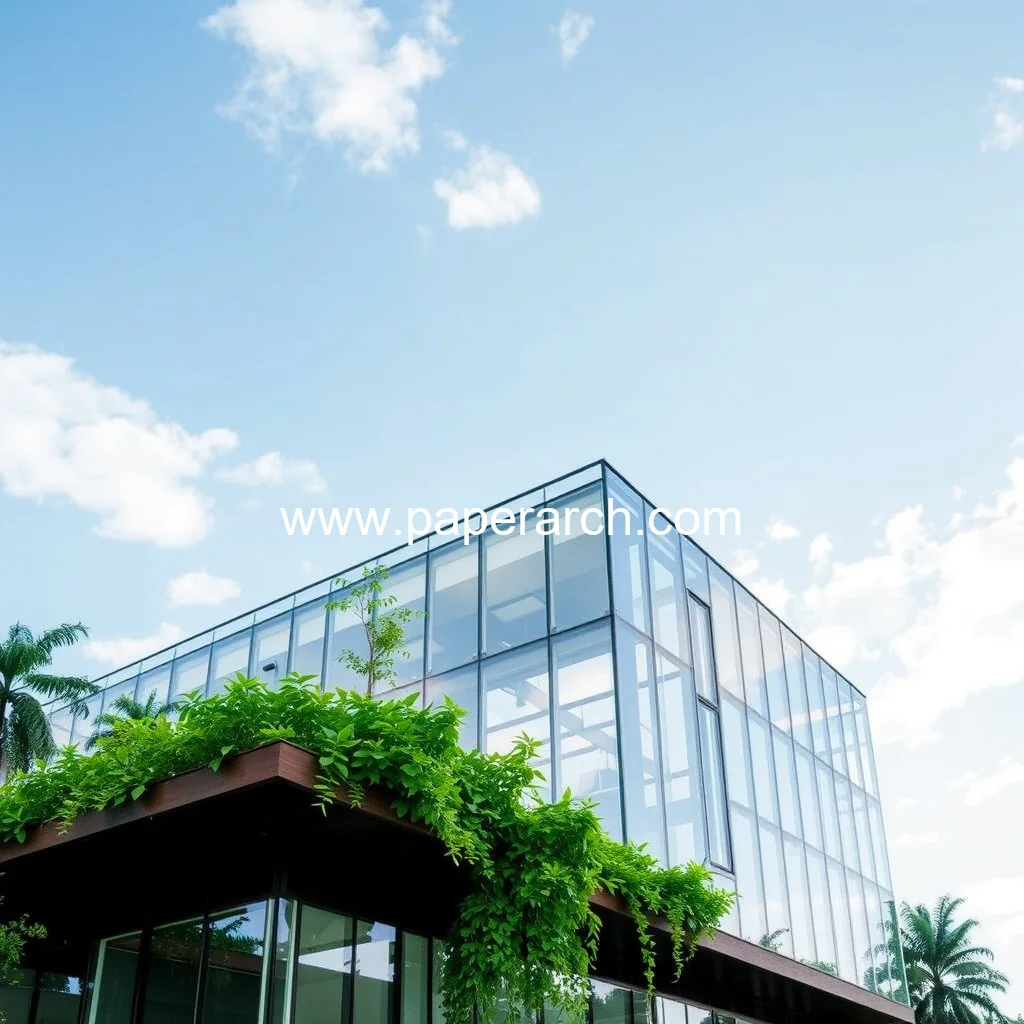
Here are five green construction trends that are expected to shape the future of the industry.
The Rise of Net Zero Energy Buildings
A New Standard for Sustainability
Net zero energy buildings are becoming increasingly popular, and for good reason. These buildings produce as much energy as they consume over the course of a year, making them a significant step towards reducing greenhouse gas emissions. The concept of net zero energy buildings is not new, but advancements in technology have made it more feasible and affordable.
Key Features:
Benefits:
The Importance of Circular Economy Principles
A Shift in Thinking
The construction industry is moving towards a circular economy, where materials are designed to be recycled, reused, or biodegradable.
The Future of Construction: Electric and Autonomous Machines
The construction industry is undergoing a significant transformation, driven by technological advancements and shifting consumer demands. As the world becomes increasingly environmentally conscious, the need for sustainable and eco-friendly practices is growing. One area where this is particularly evident is in the adoption of electric and hybrid machinery in the construction sector.
The Rise of Electric and Hybrid Machines
Several factors are contributing to the growing popularity of electric and hybrid machines in construction. These include:
As a result, many building firms are opting for electric and hybrid machinery, citing the numerous benefits it offers. For instance, electric machines produce zero emissions, making them an attractive option for environmentally conscious builders.
Autonomous Vehicles and Robotic Machines
Another area where technology is revolutionizing the construction industry is in the use of autonomous vehicles and robotic machines. These machines are designed to perform tasks that were previously done by humans, such as:
Autonomous vehicles and robotic machines are expected to become increasingly prevalent in the construction sector, particularly in the coming years.
The construction industry is under pressure to reduce its carbon footprint and minimize waste.
The Importance of Sustainability in Construction
Sustainability is no longer a niche concept in the construction industry; it has become a necessity. The industry’s growing awareness of the environmental impact of its operations has led to a surge in demand for sustainable construction practices.
Here are some key trends to watch out for in the construction industry in 2025:
Emerging Technologies
Building Information Modelling (BIM)
Smart tech is revolutionizing sustainable construction by increasing efficiency, reducing waste, and providing cost savings.
Here are some key points to consider:
The Rise of Smart Tech in Sustainable Construction
Automation and Efficiency
Environmental Benefits
Cost Savings and ROI
This growth will be driven by the need for sustainable and environmentally-friendly practices. Construction companies are taking steps to reduce their environmental footprint by adopting green technologies and sustainable materials. This includes the use of reclaimed and recycled materials, such as recycled glass, and the use of plant-based alternatives to traditional building materials. The industry is also shifting towards a service-based approach, with companies providing solutions and services rather than just selling products. This shift is driven by changing consumer expectations and the need to reduce waste.
Step 1: Understanding the UK Construction Industry’s Environmental Impact
The UK construction industry is a significant contributor to the country’s waste generation, with a staggering 60% of the country’s waste ending up in landfills. This is a pressing concern, as the construction industry’s environmental impact is not only unsustainable but also has negative consequences on the environment and public health. The industry’s waste generation is a result of various factors, including the use of non-renewable materials, inefficient construction practices, and lack of waste management strategies.
Step 2: The Role of the Circular Economy in Construction
The circular economy concept is gaining traction in the construction industry, driven by the need for sustainable and environmentally-friendly practices. The circular economy is a production and consumption model that aims to reduce waste and the continuous consumption of resources by promoting the reuse and recycling of materials. In construction, the circular economy involves the use of sustainable materials, efficient design, and waste reduction strategies to minimize the industry’s environmental footprint.
Step 3: Adoption of Green Technologies and Sustainable Materials
Construction companies are adopting green technologies and sustainable materials to reduce their environmental impact.
The Importance of Technology in Supply Chain Management
The construction industry is undergoing a significant transformation, driven by the need for sustainability and cost-effectiveness. As the industry moves towards 2025, technology will play a crucial role in managing supply chains effectively.
The Rise of Digital Solutions in Supply Chain Management
The traditional supply chain management approach has undergone a significant transformation with the advent of digital solutions. Gone are the days of manual tracking and inefficient processes. Today, companies can leverage cutting-edge technologies to streamline their operations, enhance collaboration, and drive growth.
The Benefits of Digital Solutions
Digital solutions offer numerous benefits to companies, including:
The Impact on Supply Chain Operations
Digital solutions have a profound impact on supply chain operations, transforming the way companies manage their supply chains.

news is a contributor at PaperArch. We are committed to providing well-researched, accurate, and valuable content to our readers.